
Processed foods are foods that have been changed from their natural state through methods such as cooking, freezing, drying, canning, packaging, fermentation or adding preservatives.
 Processed foods have become a common part of modern diets because they are convenient, affordable, readily available and often require little preparation. However, regularly eating too many highly processed foods can have negative consequences for human health.
Many ultra-processed foods contain excessive amounts of added sugar, salt, unhealthy fats and artificial additives. They may also contain insufficient fiber, vitamins and other essential nutrients.
Here are 7 possible negative effects of excessive consumption.
1. High Blood Pressure
Some processed foods contain excessive sodium, which can contribute to high blood pressure.
Examples include:
-
Instant noodles
-
Processed meats
-
Salted snacks
-
Packaged soups
-
Some canned foods
Excessive sodium intake can increase the risk of cardiovascular disease.
2. Increased risk of type 2 diabetes
Foods containing high amounts of added sugar and refined carbohydrates can cause rapid increases in blood glucose.
Regularly consuming sugary drinks, sweets and other highly processed products can contribute to weight gain and insulin resistance, increasing the risk of developing type 2 diabetes.
 3. Weight gain and obesity
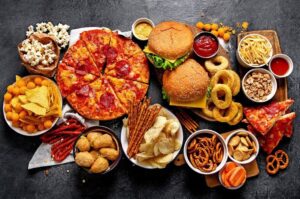
Many ultra-processed foods are high in calories but low in fibre. Examples include packaged biscuits, cakes, crisps, sugary drinks and fast foods.
Eating these products frequently can encourage excessive calorie consumption, resulting in weight gain and increasing the risk of obesity.
4. Increased risk of heart disease
Regular consumption of diets high in sodium, added sugars and unhealthy fats can contribute to poor cholesterol levels, obesity and high blood pressure.
Over time, these factors can increase the risk of heart attacks and other cardiovascular complications.
5. Increased risk of certain cancers
Research has associated higher consumption of ultra-processed foods with an increased risk of some cancers, although these associations do not prove that processing itself directly causes cancer.
Processed meat, including bacon, sausages and ham, is classified by the International Agency for Research on Cancer as carcinogenic to humans because of its established link to colorectal cancer.
6. Negative effects on brain health
Some research has linked high consumption of ultra-processed foods with poorer cognitive health and an increased risk of cognitive decline.
However, more research is needed to establish direct cause and effect.
Eating a balanced diet containing vegetables, fruits, whole grains, fish and nuts supports overall brain health.
7. Increased risk of kidney problems
Regularly eating foods high in sodium can contribute to high blood pressure, one of the major risk factors for kidney disease.
Excessive consumption of sugary drinks may also contribute indirectly through weight gain and metabolic problems.
NOTE: Eating processed foods occasionally does not automatically make someone unhealthy. The concern is the frequent consumption of ultra-processed products at the expense of nutritious foods.
A diet dominated by these products can contribute to obesity, diabetes, high blood pressure, heart disease and other health problems.