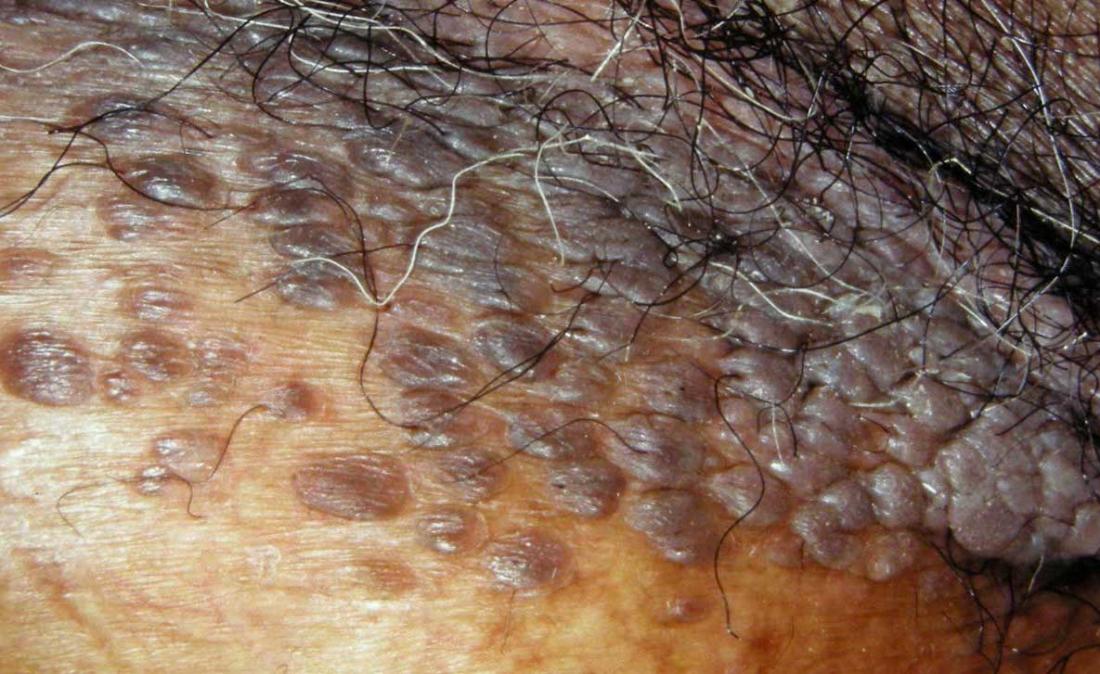
Genital warts are a common sexually transmitted infection (STI) caused by certain types of the human papillomavirus (HPV) — most often HPV types 6 and 11. They are generally not life-threatening, but they can be uncomfortable and emotionally distressing.
What Do They Look Like?
-
Small, flesh-colored or gray growths in the genital or anal area
-
May appear as a single bump or clusters (sometimes cauliflower-like)
-
Can be flat or raised
-
Usually painless, but may itch, burn, or bleed during sex
In women, they can appear on the vulva, vagina, cervix, or around the anus.
In men, they may appear on the penis, scrotum, groin, thighs, or around the anus.
How They Spread
Genital warts spread through:
-
Vaginal, anal, or oral sex
-
Skin-to-skin genital contact
-
Rarely, from mother to baby during childbirth
You can transmit HPV even if warts are not visible.
Treatment Options
There is no cure for HPV, but genital warts can be treated and removed.
Medical Treatments
-
Prescription creams (e.g., imiquimod, podophyllotoxin)
-
Cryotherapy (freezing the warts)
-
Laser treatment
-
Surgical removal
Treatment removes visible warts, but the virus may remain in the body and warts can return.
Do not use regular over-the-counter wart treatments meant for hands or feet on genital warts — they can damage sensitive skin.
Prevention
-
Use condoms (reduces risk but doesn’t fully eliminate it)
-
Get the HPV vaccine (highly effective against common wart-causing strains)
-
Limit number of sexual partners
-
Regular sexual health checkups
See a Doctor If:
-
You notice unusual growths in your genital area
-
You’re unsure whether it’s a wart or another condition
-
Warts are painful, bleeding, or spreading
-
You’re pregnant
Genital warts are common and treatable, and having them does not mean someone has been promiscuous or careless. Early diagnosis and proper treatment help prevent complications and transmission.